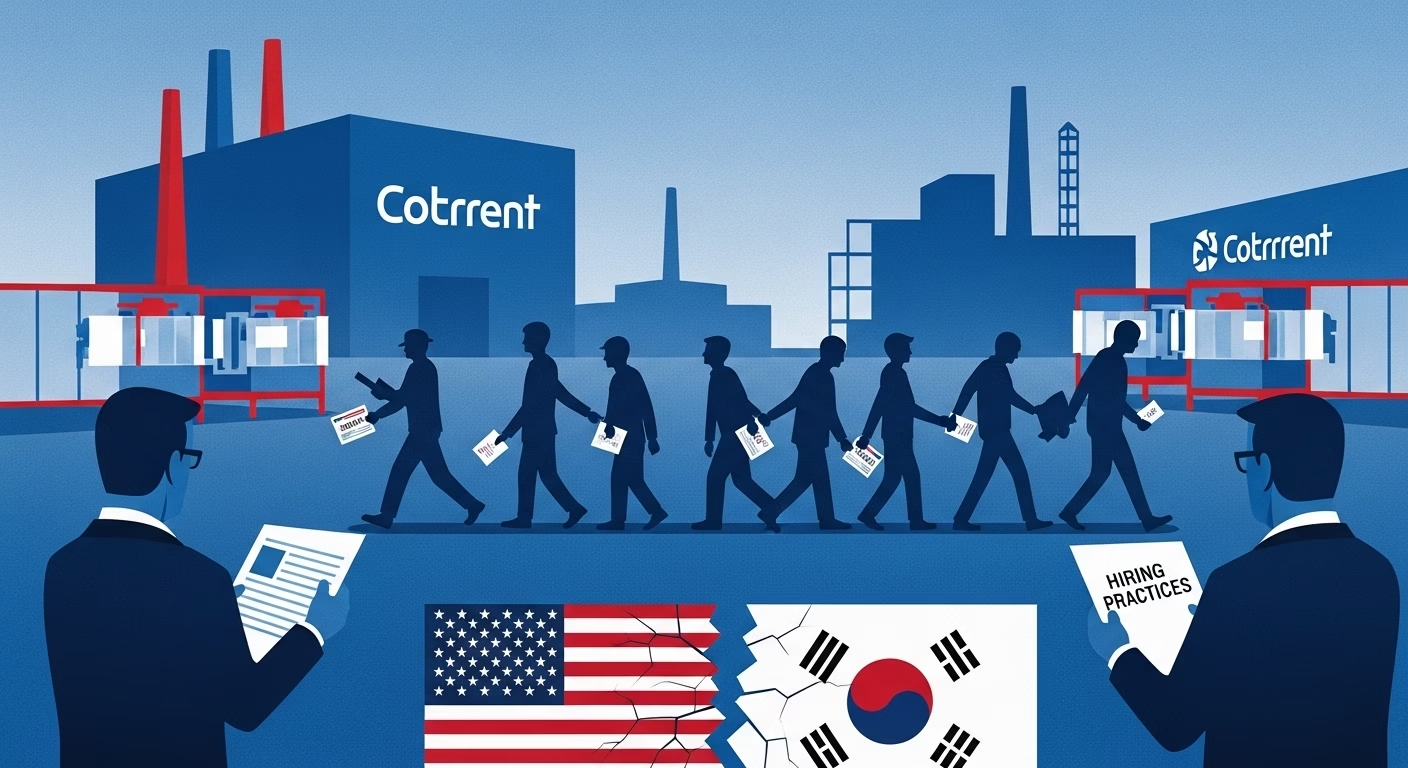
A major immigration raid at Hyundai Motor Group’s $4.3 billion EV battery plant in Georgia has disrupted construction, sparked international tensions, and raised serious questions about corporate hiring practices.
The Raid
On September 4, U.S. immigration officers carried out the largest single-site enforcement action in recent history, detaining around 475 South Korean workers. Most were employed through subcontractors and entered the U.S. on business visas or ESTA waiver programs, which do not allow physical labor.
This plant, being built jointly by Hyundai and LG Energy Solution, was intended to produce batteries for hundreds of thousands of electric vehicles by 2026. The raid now threatens timelines and billions in investment.
Warnings Ignored
For months, South Korean companies had been cautioned about tightening U.S. immigration enforcement. Yet workers continued to be dispatched under questionable visa statuses. Some employees had even been denied entry previously, but corporate reliance on these practices persisted.
Legal Gray Areas
The situation is complicated by the legal ambiguities of temporary visas. Some detained workers were engaged in legitimate activities—such as equipment installation and technical training—that often fall under business-visa allowances. Reports suggest at least one detainee held a valid visa yet was still forced to leave the U.S., fueling criticism of enforcement methods.
Diplomatic Fallout
The raid triggered a swift reaction from Seoul. The South Korean government chartered a special flight to bring back hundreds of its detained citizens and dispatched senior officials to Washington to demand reforms, including a special skilled-worker visa category.
Meanwhile, demonstrations broke out near the U.S. Embassy in Seoul, with citizens denouncing what they see as unfair treatment of Korean workers abroad.
Corporate and Political Response
Hyundai announced an internal review of all hiring practices involving subcontractors and appointed a senior executive to oversee compliance across North American projects. The company pledged to cooperate fully with authorities while trying to minimize project delays.
Politically, the raid placed the U.S. administration in a difficult position. While leaders stressed the need to uphold immigration laws, they also acknowledged the critical role of skilled foreign specialists in building the country’s high-tech manufacturing infrastructure.
Broader Impact
Analysts warn that the fallout could delay the U.S. transition to electric vehicles, weaken foreign investment confidence, and strain one of Washington’s most important trade alliances. The case underscores the tension between two competing priorities: securing domestic jobs and attracting foreign expertise essential for advanced industries.