
In the dynamic realm of corporate sustainability, ESG trends 2026 are transforming Environmental, Social, and Governance (ESG) strategies from mere regulatory compliance to integral drivers of business value and resilience. As companies navigate geopolitical shifts, technological advancements, and stakeholder expectations, evolving ESG strategies 2026 emphasize pragmatism, profitability, and long-term impact. This detailed blog delves into the latest ESG corporate trends 2026, offering insights for executives to integrate sustainability into core operations, enhance risk management, and unlock growth opportunities. Whether focusing on climate disclosure, supply chain due diligence, or AI-ESG integration, these developments are pivotal for achieving sustainable business success in 2026 and beyond.

ESG Becomes Non-Negotiable in 2026 | SUSTAINOVA® posted on the topic | LinkedIn
1. AI and ESG Integration: Expanding Focus Across Value Chains
A key ESG trend 2026 is the broadening intersection of AI and ESG, moving beyond AI’s environmental footprint to encompass supply chains and human rights. Companies are leveraging AI for enhanced ESG data analysis, predictive risk assessment, and sustainable innovation, making it a core component of corporate ESG strategies 2026. This integration helps address fragmented regulations and standards, enabling global firms to balance near-term priorities with long-term sustainability goals.
Technological innovations like AI-driven tools are fostering accountability and transparency, with stricter enforcement on the horizon. For instance, AI is optimizing resource efficiency and clean technology adoption, tying directly to competitiveness in North American markets.

esg #sustainability #environmentalsocialgovernance #responsiblebusiness #climateaction #carbonreduction #biodiversity #socialimpact #corporategovernance #ethicalleadership #futureofbusiness… | Sustainability Infographics 📊
2. Regulatory Evolution: Narrower, Deeper Frameworks for Compliance
ESG regulation in 2026 is shifting toward narrower yet more exacting models, with adjustments to frameworks like CSRD, CSDDD, and SFDR in Europe reducing administrative burdens while deepening requirements. In the U.S., alignment with international standards like ISSB is expected, ushering in standardized ESG reporting. This includes mandatory climate disclosures and audit-like processes for ESG data, intensifying demands for governance and operational readiness.
Global trends highlight climate disclosure obligations and supply chain due diligence as focal points, shaping litigation and corporate strategy landscapes. Companies must embed sustainability into enterprise risk management to avoid penalties and build stakeholder trust.
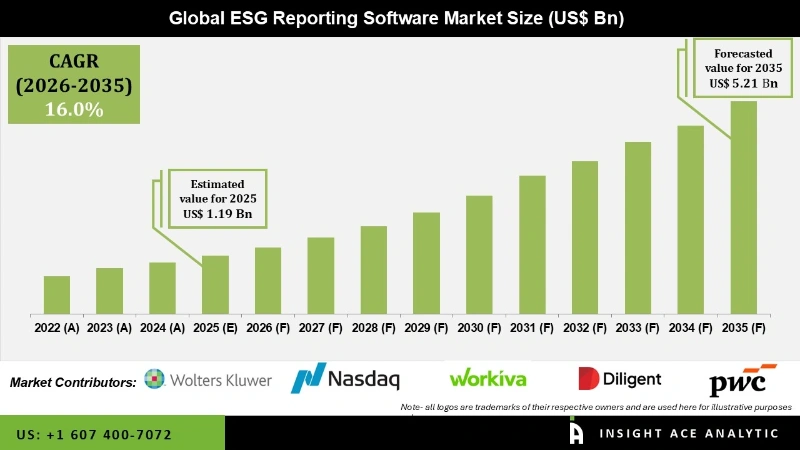
ESG Reporting Software Market Size, Share and Detailed Study Analysis Report to 2036
3. Making the Business Case: From Goals to Profitable Outcomes
Sustainability trends 2026 stress justifying ESG programs through clear business cases, prioritizing risk avoidance, resilience, and revenue generation over lofty aspirations. Chief sustainability officers are refining messaging to emphasize pragmatism and profitability, navigating political environments while articulating durable strategies. This adaptive ESG approach treats sustainability as core infrastructure for market access and growth.
Workforce resilience anchors social priorities, with CEOs focusing on education, economic opportunity, and mental health to enable execution amid disruptions. Transparency in reporting is rising, with verifiable claims becoming essential to combat greenwashing.

5 Most Important Themes in 2026
4. Adaptive ESG: Building Resilience in a Volatile World
The rise of adaptive ESG in 2026 reflects a shift toward systems that manage volatility, integrating climate and social risks into core strategies. Despite political debates, the value of ESG persists, with money matching rhetoric in investments tied to measurable impact. Governance priorities elevate strategy execution and revenue growth alongside risk management.
Organizations are preparing for surge in climate litigation and regulatory enforcement, ensuring compliance teams are adaptable. This holistic approach positions ESG as a non-negotiable for attracting talent, investors, and consumers.
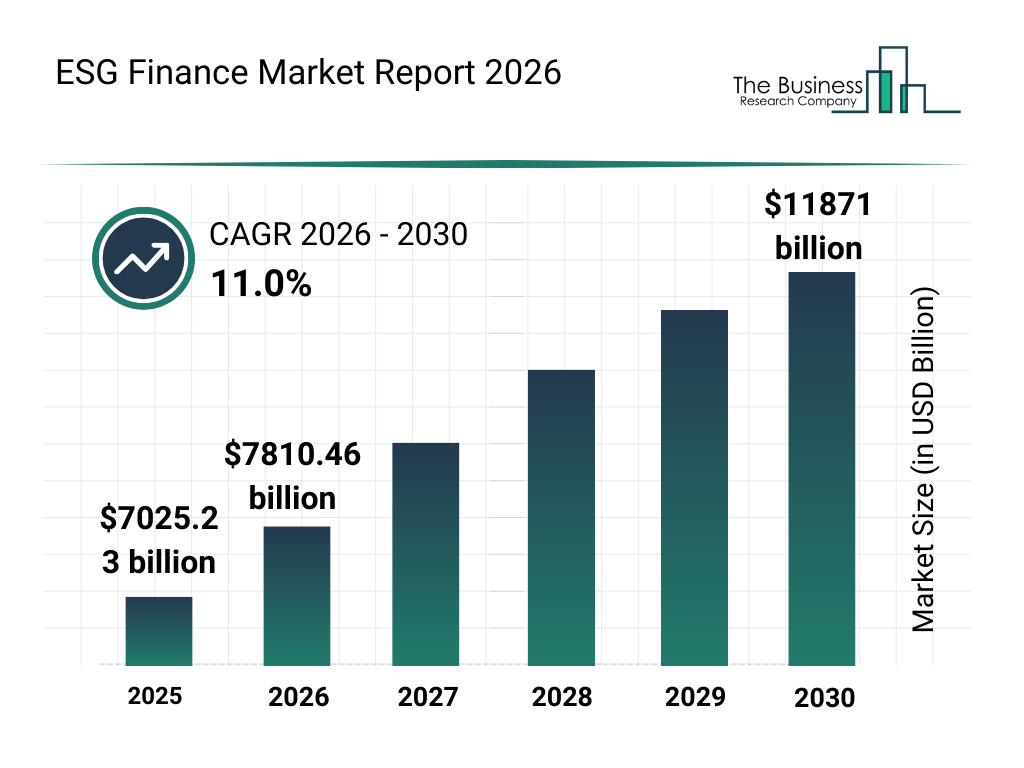
thebusinessresearchcompany.com
ESG Finance Market 2026 – Trends, Market Share
Comparison of Key ESG Trends 2026 Across Leading Sources
For a comprehensive view of evolving ESG strategies 2026, here’s a table summarizing insights from prominent reports:
| Trend Area | S&P Global (Top 10 Trends) | Freshfields (7 ESG Trends) | The Conference Board (C-Suite Priorities) | Forbes (Sustainability Shift) | Environ Energy (Top Trends) |
|---|---|---|---|---|---|
| AI-ESG Integration | Balancing priorities with long-term realities | Widening focus on value chains and human rights | – | – | – |
| Regulatory Changes | Fragmented landscape for policy and standards | Climate disclosure and supply chain due diligence | Regional divergences in environmental priorities | Narrower, deeper models like CSRD adjustments | Transparency in reporting |
| Business Case | Pragmatism, risk avoidance, profitability | – | Workforce resilience for growth | Measurable impact and ROI | Justifying programs via business case |
| Adaptive Strategies | Durable strategies beyond election cycles | Global regulatory and litigation landscape | Governance for performance and compliance | Embedding into risk management | Refining messaging and verifiable claims |
| Resilience & Value | – | – | Social priorities in education and mental health | Private sector leadership in sustainability | Not relying on regulatory deadlines |
This table illustrates the multifaceted nature of ESG corporate trends 2026, highlighting the need for integrated, forward-thinking approaches.
Conclusion: Harnessing ESG for Sustainable Corporate Success in 2026
ESG trends 2026 mark a pivotal evolution, positioning sustainability as a core business value that drives resilience, innovation, and profitability. By embracing AI integration, navigating regulatory shifts, and building adaptive strategies, companies can transform ESG from compliance to a competitive advantage. As 95% of CEOs prioritize regulatory compliance, the focus on measurable outcomes will define leaders in the evolving ESG landscape. Stay ahead by embedding these insights into your corporate sustainability strategies 2026 for enduring success.