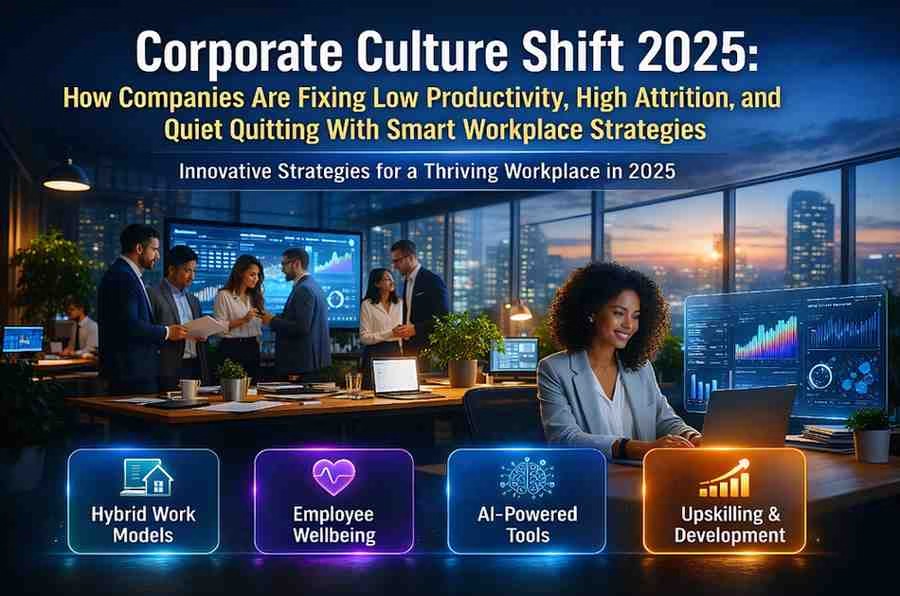
Corporate work in 2025 is changing faster than ever. Companies are dealing with falling productivity, rising attrition, skill gaps, and a wave of quiet quitting. At the same time, employees are searching for flexible work, growth opportunities, mental wellness, and better leadership. These trends are among the most searched topics in the corporate world, and businesses that understand them are gaining a competitive advantage.
This article breaks down the newest corporate workplace strategies that companies are adopting to improve productivity, reduce stress, strengthen culture, and keep employees motivated. These insights are based on the latest workplace behavior shifts in 2025 and the most viral corporate topics people search online.
1. Clear Workflows to Fix Confusion and Delays
The biggest corporate complaint in 2025 is unclear workflows. Teams waste time figuring out who owns which task, which slows down productivity. Companies are solving this by documenting daily processes, removing unnecessary steps, and using project management tools that give full visibility.
Clear workflows stop repeated messages, reduce confusion, and help employees understand exactly what is expected. When everything is transparent, teams deliver faster and managers spend less time correcting mistakes.
2. Skill Based Team Building Instead of Position Based Teams
Old corporate structures built teams based on job titles. Modern corporate strategy builds teams based on skills. This shift increases productivity because employees get matched to the work they enjoy and are good at.
Companies are using skill mapping tools to identify strengths in creativity, analysis, communication, leadership, and decision making. This ensures that every project team is formed around actual capabilities, not job descriptions. It reduces frustration and eliminates skill mismatches that cause burnout.
3. AI Powered Workflows to Improve Accuracy and Speed
AI adoption is one of the biggest viral corporate topics this year. Companies are using AI to draft reports, analyze customer behavior, automate data entry, and improve communication. This reduces manual errors and frees employees to focus on meaningful problem solving.
Employees equipped with AI tools complete tasks up to three times faster. They also feel more satisfied because they spend less time on repetitive work. Companies that invest in AI workflows are experiencing stronger performance and lower stress levels across teams.
4. Hybrid Work Systems That Balance Focus and Collaboration
Hybrid work continues to dominate corporate conversations. But the companies succeeding with hybrid work are not simply mixing office and remote days. They are creating structured systems designed for focus and collaboration.
Productive hybrid workplaces include:
- two focus days with no meetings
- two collaboration days for team planning
- one learning day for skill building
This structure improves mental balance and ensures employees do not feel isolated or overwhelmed. When hybrid work is planned well, productivity rises and job satisfaction increases.
5. Leadership Training to Reduce Team Conflicts
Many employees leave companies not because of workload but because of poor managers. Companies in 2025 are investing heavily in leadership training programs focused on emotional intelligence, communication, conflict management, and motivation.
Managers who understand how to handle people see higher team performance and stronger loyalty. Employees feel safe sharing ideas and concerns. This reduces quiet quitting and increases engagement.
6. Internal Career Growth to Stop Attrition
One of the most searched corporate topics today is career development. Employees no longer want to wait years for promotions. They want clear career paths and internal opportunities.
Companies are introducing:
- quarterly career check ins
- internal job boards
- fast track development programs
- mentorship by senior leaders
These strategies reduce attrition and keep talented employees inside the company instead of losing them to competitors.
7. Micro Learning to Fix Skill Gaps Quickly
Employees prefer short and engaging learning instead of long training sessions. Companies are shifting to micro learning, which includes small lessons employees can complete during breaks.
This keeps employees learning continuously without overwhelming them. It also helps companies fill skill gaps quickly, especially in areas like digital literacy, communication, problem solving, and AI tools.
8. Transparent Communication to Build Trust
Corporate frustration increases when employees feel left out of decisions or do not receive clear updates. Companies that communicate openly earn more trust. This includes sharing quarterly goals, challenges, financial performance, and changes in leadership or structure.
When employees understand why decisions are made, they feel respected and less stressed. Transparent companies also experience fewer rumors and stronger engagement.
9. Wellness Programs That Actually Reduce Stress
Wellness is no longer yoga sessions and fruit baskets. Employees want real support. Companies are offering:
- mental health sessions
- burnout prevention coaching
- paid wellness breaks
- flexible schedules during heavy workload seasons
These programs reduce stress and help employees maintain energy throughout the year. Healthier employees produce better work and stay longer.
10. Recognition Systems That Increase Motivation
Employees are more motivated when they feel appreciated. In 2025, companies are using digital recognition systems where team members can thank each other, highlight achievements, and reward performance.
Simple recognition boosts morale. Teams become more positive. Employees start participating more actively in discussions and projects. Recognition is one of the strongest tools for increasing productivity and reducing quiet quitting.
11. Modern Onboarding for Better Employee Experience
New employees often feel lost during their first weeks. Companies are reinventing onboarding with structured welcome sessions, mentors, training videos, and clear performance goals.
A good onboarding experience improves confidence and reduces early dropouts. It also helps new employees feel connected to the company culture from day one.
12. Employee Feedback Loops to Improve Work Environment
Companies that ask for employee feedback and take action outperform others. Feedback loops help leaders understand what is working, what is failing, and how to fix internal issues quickly.
Surveys, monthly check ins, and open communication channels allow employees to share concerns without fear. When leaders act on feedback, employees feel valued and develop stronger loyalty.
The Corporate Future in 2025
The companies that will win this year are the ones that adapt fast, listen to their employees, and invest in real workplace change. Productivity improves when employees feel supported, valued, and heard. Attrition decreases when growth, flexibility, and fair leadership are present.
The future of corporate success is not only about technology. It is about culture, clarity, balance, and people. Companies that understand this are building stronger teams and becoming the most attractive places to work in 2025.