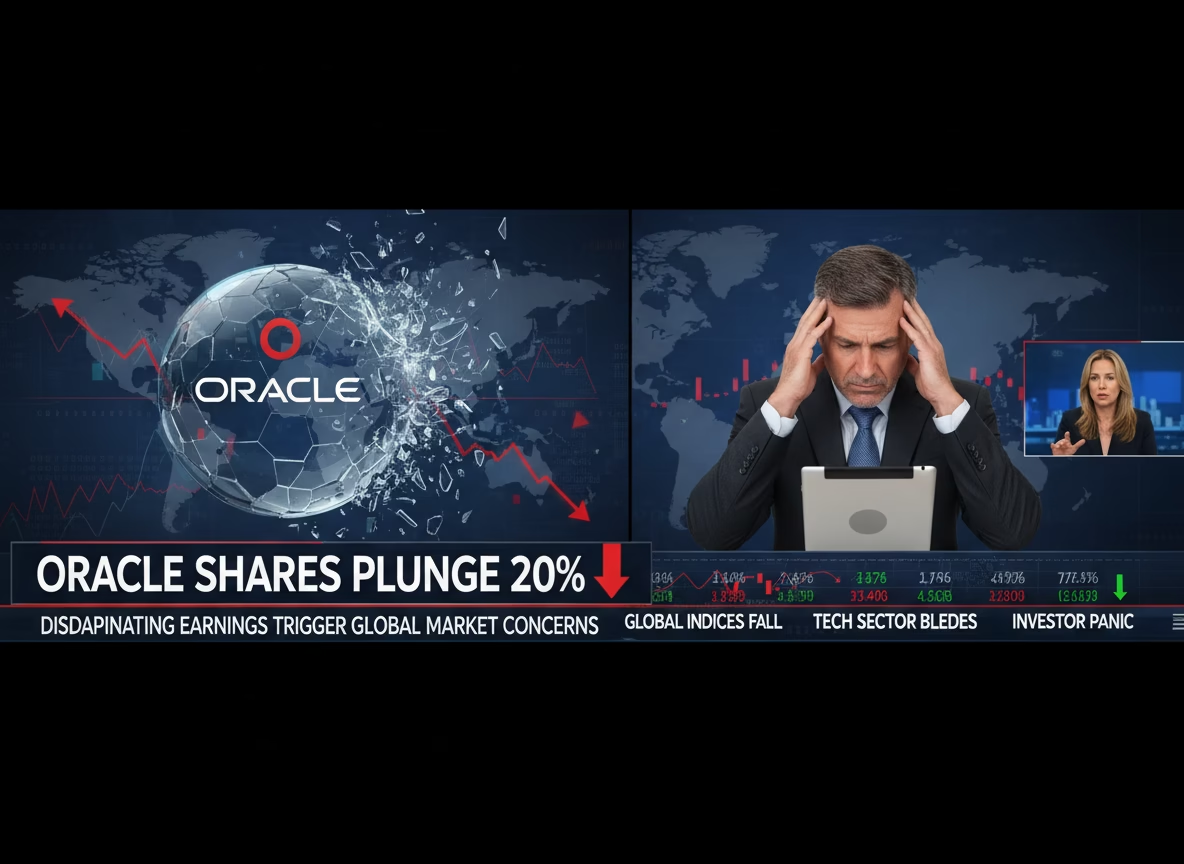
The corporate world is witnessing one of the most talked about financial stories today as Oracle’s stock experienced a sharp and unexpected decline following its quarterly earnings release. The technology giant reported results that fell short of investor expectations, causing billions of dollars in market value to evaporate within hours. This sudden drop immediately became one of the most viral corporate news topics across global financial discussions.
Oracle, known for its enterprise software, cloud solutions and infrastructure services, plays a major role in shaping corporate technology trends. When a company of this scale posts weaker than expected numbers, the impact spreads far beyond its own stock performance. Investors, analysts and businesses worldwide closely monitor the company’s movement to assess the health of the enterprise tech sector.
What Triggered the Sharp Fall in Oracle’s Shares
The decline was primarily caused by disappointing earnings and lower revenue growth compared to market forecasts. Investors were expecting stronger performance due to rising global demand for cloud services, AI infrastructure and enterprise software. However, the reported numbers showed slower momentum in segments that were expected to lead Oracle’s growth.
In addition to softer revenue, concerns were raised about rising costs associated with cloud expansion and AI related investments. Although companies across the tech industry are increasing capital expenditure to stay competitive in AI, many investors are worried that expenses are growing faster than the return on investment for several major firms.
Market reactions were quick and strong. Investors who were expecting a bullish earnings report instead saw signs of potential pressure on future profitability. This contrast between expectations and reality led to a rapid sell off, causing the stock to tumble.
Broader Impact on the Global Technology Market
Since Oracle is one of the key players in enterprise software, its performance often influences market sentiment toward the entire tech sector. When its shares slipped, several other tech stocks also experienced increased volatility. Traders began re evaluating the demand for cloud and AI solutions, raising questions about whether the market has entered a period of slower enterprise spending.
Many analysts stated that this drop reflects a more cautious environment for tech companies with heavy AI expenditure. While AI remains the future of innovation, companies are now expected to balance aggressive investment with sustainable financial growth. Oracle’s earnings results have become a case study in how global markets react to misaligned expectations.
Why Investors Are Concerned About Future Outlook
Beyond the immediate numbers, what worried investors the most was the forward guidance. Oracle’s projections for coming quarters showed modest growth instead of the accelerated trajectory that many expected from a tech leader. This raised questions about competition, market share and the ability to scale cloud services profitably.
Several concerns include:
- Slower growth in cloud revenue
- Increased operational costs due to data center expansion
- Rising competition from Microsoft, Google and Amazon
- Delayed enterprise spending from global corporations
These factors combined have put Oracle under pressure to demonstrate stronger performance in upcoming reports.
Corporate Clients React to the Earnings Report
Many enterprise clients depend heavily on Oracle for databases, cloud storage and business software. A sudden decline in stock price tends to raise curiosity among corporate buyers, especially those planning long term investments in digital transformation.
While the earnings shortfall does not affect the stability of Oracle’s services, it does shift the narrative about the company’s competitive positioning. Business IT teams are now reevaluating which cloud provider can offer the most value, innovation and reliability in the next decade.
This dynamic is expected to influence upcoming procurement decisions, competitive bidding and enterprise partnerships.
What This Means for the AI and Cloud Industry
The earnings miss has sparked deeper conversations across the technology world about the sustainability of high AI investment. Many tech companies are pouring billions into infrastructure to support AI tools, but the return on investment often takes years to materialize.
Oracle’s performance has reminded the market that not every AI and cloud push immediately converts into strong financial results. This is expected to influence how tech companies manage spending, pricing and product launches in the near future.
At the same time, AI demand is not slowing down. Enterprises are still looking for advanced solutions that enhance automation, decision making and productivity. This means the tech war between leading companies will continue to intensify.
Market Analysts Divide on Oracle’s Future
Some analysts believe this drop is temporary and that Oracle still holds strong long term potential based on its investments in cloud software and AI. They argue that the company has a loyal customer base and strong cash flow, giving it the stability needed to recover.
Others believe the stock may continue to struggle as competition increases and customers diversify their cloud strategy. They point to the growing dominance of other cloud giants and the fast moving AI ecosystem.
This mix of optimism and caution reflects the complex environment Oracle must navigate to regain investor confidence.
Conclusion
The sharp fall in Oracle’s shares after disappointing earnings has become one of the most viral and widely discussed corporate news events of the day. The market reaction highlights the challenges facing major tech companies as they attempt to balance aggressive AI and cloud investments with profitability and investor expectations.
The coming quarters will be crucial for Oracle. The company needs to showcase stronger growth, better cost control and clearer competitive strategy in order to restore market confidence. As global demand for AI and enterprise technology continues to grow, the world will be watching closely to see how Oracle responds.
This story remains at the center of corporate discussions because it reflects the broader tension between innovation and financial performance across the global technology industry.